
Thinking about how to truly win in e-commerce by 2026? Here's the truth: those standard, off-the-shelf solutions just aren't going to cut it anymore. To really gain an e-commerce advantage in today's super-fast digital world, you need something special. This comprehensive guide dives deep into how custom software acts as that pivotal differentiator, helping businesses achieve unparalleled operational efficiency and deliver a truly superior customer experience.
We've explored the strategic development and seamless integration of bespoke systems, including advanced AI solutions, all tailored specifically for your unique online shop. Understanding the nuances of web development and really leveraging cutting-edge e-commerce innovation will be absolutely crucial for sustainable growth and a significant competitive advantage. This guide offers actionable steps to help you navigate the complexities of digital transformation, ensuring your business isn't just participating, but actually leading the charge in the 2026 e-commerce trends.
Why Custom E-commerce Software is Your 2026 Competitive Edge
Ever wonder how you'll truly stand out in the e-commerce world by 2026? Here's the thing: just having an online store won't cut it anymore. Achieving a true e-commerce competitive advantage is absolutely paramount for keeping your business growing. Those off-the-shelf platforms, while super convenient initially, often just can't keep up with the unique demands of a market that's changing at lightning speed. They limit your ability to really differentiate yourself. That's precisely where custom software 2026 becomes so incredibly valuable, giving you tailored functionalities that perfectly match your business model and exactly what your customers need.
When you center your online shop innovation strategy around bespoke solutions, you unlock unparalleled flexibility and scalability. It means you can build in those specific features that truly streamline your operations, make the user experience sing, and ultimately drive more conversions. All of this directly impacts your digital transformation ROI. Honestly, for businesses looking to truly master e-commerce, generic solutions simply aren't enough to navigate the complexities of modern consumer behavior and market dynamics.
Custom development really empowers you to weave cutting-edge technologies like AI and machine learning right into the core of your systems, pushing you way beyond basic functionalities. Here at OverStartup GmbH, we absolutely love building the custom AI solutions you've probably been wishing you already had, helping your business move faster and scale effectively. Why not explore our comprehensive services to see how we can transform your e-commerce platform?
Prerequisite: Before you jump into custom software development, you'll definitely want a clear understanding of your current e-commerce platform's limitations and a really strong vision for the unique functionalities you want to create.

How to Strategically Plan Your Custom E-commerce AI Development
So, you're ready to dive into custom e-commerce AI? That's exciting! But hold on, the secret to a truly successful project isn't just diving in; it's all about smart planning. Effective strategic AI development is really the cornerstone of any custom e-commerce project, and this phase demands meticulous attention to make sure your investment pays off big time. Start by clearly defining the objectives and key performance indicators (KPIs) your new system aims to hit. Maybe you're looking for a 15% increase in conversion rates or a 20% drop in customer service inquiries?
Phase 1: Needs Assessment and Feasibility Study (Time Estimate: 2-4 Weeks)- Materials: Business requirements document, stakeholder interviews, market research data.
- Instructions: You'll want to conduct thorough interviews with all your relevant departments – think sales, marketing, operations, customer service – to pinpoint those pesky pain points and brainstorm all the functionalities you're dreaming of. Don't forget to analyze what your competitors are doing and look at emerging e-commerce software planning trends to spot opportunities for real differentiation.
Once you've got a handle on your needs, it's time to map out a phased approach for integrating AI. This AI solutions roadmap should prioritize the features that will give you the biggest impact and are most feasible to implement first. For example, you might start with AI-driven product recommendations before tackling predictive analytics for inventory. This structured approach is what truly forms your solid custom software strategy.
Tip: We highly recommend engaging a specialized partner like OverStartup GmbH early in this phase. Our expertise in custom AI solutions can really help you craft a robust online shop AI blueprint that aligns perfectly with your strategic goals.

Executing Seamless Web Development Integration for Online Shops
Alright, once you've got your brilliant plan, it's time to actually build it. This "execution phase" for your e-commerce platform build is where all the magic happens – and where precision really counts! It involves bringing together all sorts of components, from the shiny front-end user interface to those complex back-end systems and all your third-party services. A well-executed web development integration isn't just about getting things to work; it's about minimizing disruption and maximizing efficiency, making everything feel like a smooth, continuous flow.
Step 1: Core System Development (Time Estimate: 8-16 Weeks)- Materials: Chosen programming languages (e.g., Python, Node.js), frameworks (e.g., React, Angular), database systems (e.g., PostgreSQL, MongoDB).
- Instructions: This is where you actually develop all those custom functionalities you identified during your planning phase. Make sure to focus on a modular architecture – it's like building with LEGOs, making sure your system is scalable and super easy to update in the future.
Next up, you'll integrate your brand-new system with all your existing tools like ERPs, CRMs, and payment gateways, using robust APIs. This is absolutely crucial for successful custom software implementation! You'll need to carefully plan and execute the migration of your data from your old systems to the new one, making sure data integrity is rock-solid and downtime is kept to an absolute minimum. Thorough testing here isn't just important, it's paramount.
Common Mistake: People often underestimate how complex data migration can be, and that can lead to significant delays and even data loss. Always, always conduct multiple dry runs to avoid headaches!
Our approach at OverStartup GmbH ensures that your online shop development isn't just functional, but truly future-proof. We want it to adapt and grow right alongside your business. We prioritize robust architecture and comprehensive testing to deliver a solution that's not just integrated, but truly seamless.

Unlocking Enhanced Customer Experience with Personalized Marketing AI
Let's be honest, by 2026, just "good" customer experience won't cut it. Your customers expect amazing, and that's exactly where personalized marketing AI steps in. A superior customer experience e-commerce is no longer a luxury; it's a non-negotiable must-have. AI is truly at the forefront of this transformation, giving businesses the power to understand and even anticipate customer needs with incredible accuracy. By really leveraging AI, your e-commerce innovation 2026 efforts can deliver hyper-relevant product recommendations, dynamic pricing, and content that feels tailor-made, all of which significantly boost engagement.
Method 1: AI-Driven Recommendation Engines (Time Estimate: 6-10 Weeks for initial setup)- Tools: Machine learning libraries (e.g., TensorFlow, PyTorch), data analytics platforms.
- Instructions: This involves implementing AI algorithms that crunch browsing history, purchase patterns, and even demographic data to suggest products customers are most likely to snap up. It's a fantastic way to optimize the entire customer journey optimization process.
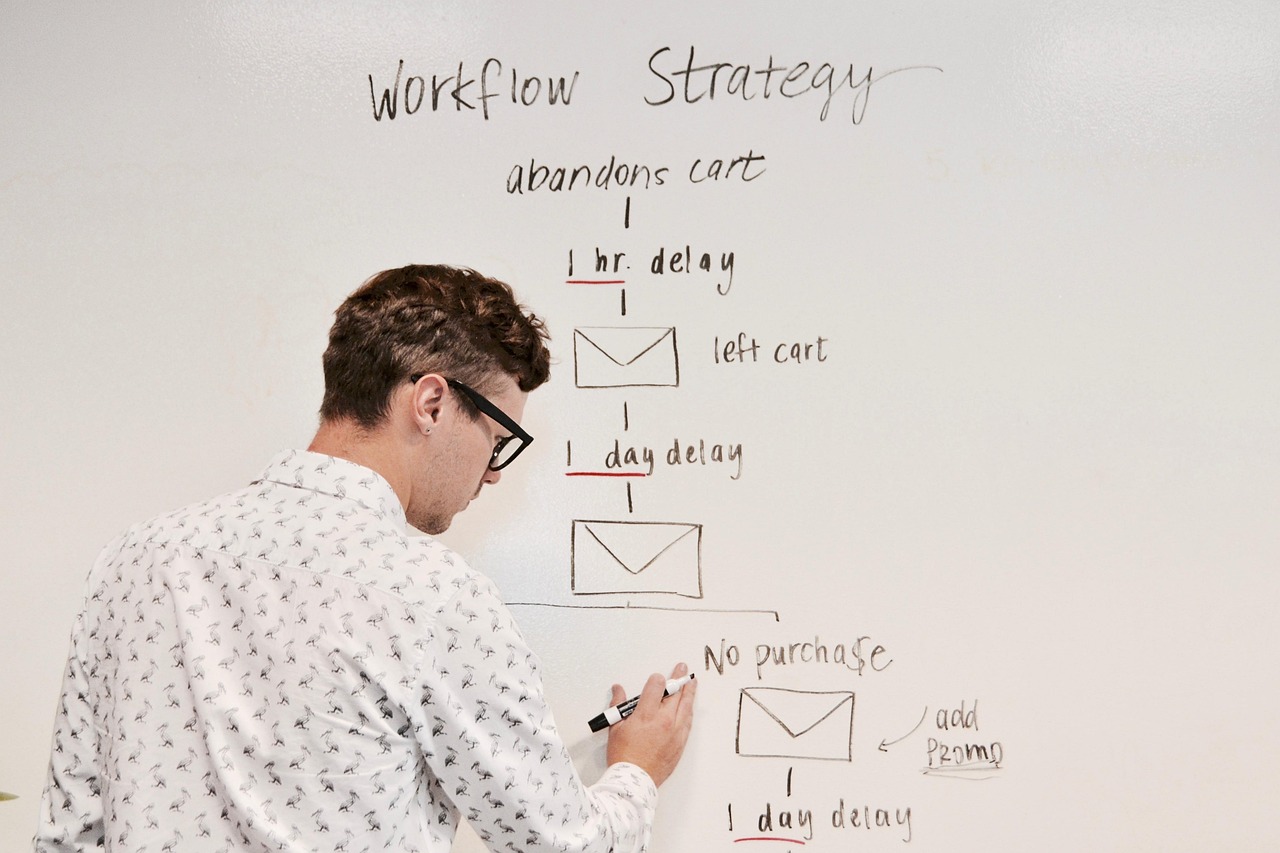
Imagine deploying AI solutions for marketing that can actually predict future customer actions – like who might be about to churn, or what their next purchase could be. This lets you engage proactively with targeted promotions or personalized outreach. For instance, an AI might spot a customer who's likely to abandon their cart and then trigger a personalized discount offer to bring them back!
Measurable Outcome: You can expect to see a significant jump in conversion rates, average order value (AOV), and customer retention. All thanks to those highly relevant interactions! For businesses looking to integrate such advanced AI, our article on mastering AI integration offers some really valuable insights.

Optimizing Inventory Management and Support with Advanced AI Solutions
Running an e-commerce business means juggling a lot, right? You want things to run smoothly, keep costs down, and still make your customers happy. Well, guess what? Achieving peak e-commerce operational efficiency really hinges on smart resource allocation and super responsive customer service. And that's where advanced AI solutions come in, offering transformative capabilities for both inventory management AI and customer support automation. They minimize waste and maximize satisfaction. By 2026, having these AI-driven systems isn't just a bonus; it's absolutely non-negotiable for any competitive online shop.
Approach 1: AI-Powered Demand Forecasting (Time Estimate: 8-12 Weeks)- Tools: Predictive analytics software, historical sales data, external market indicators.
- Instructions: Imagine implementing AI models that can analyze seasonal trends, promotions, and even external factors to predict demand with incredible accuracy. This means you can keep optimal stock levels, cutting down on both overstock and those frustrating stockouts. It's a critical component of modern supply chain AI, truly!
You can also deploy AI-powered chatbots to handle all those routine customer inquiries, give instant answers to FAQs, and even guide users through their purchasing processes. This significantly lightens the load on your human agents, freeing them up to tackle more complex issues that really need their touch. At OverStartup GmbH, we love helping businesses build practical automation flows with custom AI solutions that scale effortlessly, so you're always ready for growth.
Safety Warning: Just a friendly reminder: make sure your AI chatbots are clearly identified as such. It really helps manage customer expectations and prevents any potential frustration. And always provide clear escalation paths to human agents for when things get a bit more complex.

What Are the Essential Technologies for E-commerce Custom Software?
Okay, so you're building custom e-commerce software. But what's actually under the hood? Choosing the right **tech stack** is absolutely crucial – it's like picking the perfect tools for a master craftsman. Developing robust e-commerce custom software requires a carefully selected set of technologies that support scalability, performance, and security. Understanding these essential e-commerce technologies is key to making informed decisions and ensuring your online shop isn't just good for today, but ready to dominate in 2026 and beyond. The right combination of tools really facilitates innovation and efficient development.
Key Technology Categories:| Category | Example Technologies | Role in E-commerce |
|---|---|---|
| Cloud Computing | AWS, Azure, Google Cloud | Scalable infrastructure, global reach, cost efficiency. |
| Programming Languages | Python, Node.js, PHP (Laravel) | Back-end logic, API development, data processing. |
| Front-end Frameworks | React, Vue.js, Angular | Dynamic user interfaces, responsive design. |
| Databases | PostgreSQL, MongoDB, MySQL | Secure data storage, efficient retrieval. |
| AI/ML Frameworks | TensorFlow, PyTorch, scikit-learn | Enabling personalized recommendations, forecasting, automation. |
| API Gateways | Apigee, AWS API Gateway | Managing and securing API integrations. |
The choice of your web development platforms and specific tools really depends heavily on your project's unique requirements and where you see yourself growing in the future. For instance, a microservices architecture, often deployed on cloud platforms, offers much greater flexibility and resilience, especially for complex systems. These e-commerce innovation tools are constantly evolving, so staying on top of things and adapting is absolutely vital. It's a continuous journey of learning!
Materials: You'll need access to cloud platform accounts, developer licenses for any specific tools, and, of course, a talented team proficient in modern programming languages and frameworks. Staying updated on the latest trends and tools is super important, and our blog is a great place to find continuous insights.

Avoiding Common Pitfalls in E-commerce Software Development
Even with the best plans and intentions, building something as complex as custom e-commerce software can hit some bumps. We've all seen projects go sideways, right? The good news is, by knowing the common **e-commerce development mistakes** upfront, you can totally steer clear of them and keep your digital transformation on track. Understanding and proactively mitigating these custom software risks is absolutely vital for any successful initiative. A little vigilance and sticking to best practices can prevent so many common issues!
Common Pitfalls to Avoid:- Scope Creep: This is when project requirements quietly expand beyond what was initially agreed upon, often leading to delays and budget overruns.
- Inadequate Testing: Rushing through the testing phase is a recipe for disaster! It can lead to bugs, security vulnerabilities, and a really frustrating user experience.
- Poor Communication: A lack of clear, consistent communication between everyone involved – stakeholders, the development team – can cause all sorts of misunderstandings and delays.
- Neglecting Security: Underestimating how important robust security measures are, especially when dealing with sensitive customer data, is a huge no-no.
- Lack of Scalability Planning: Building a system that can't handle future growth in traffic or data volume is like building a house with no room to expand – you'll quickly outgrow it.
Safety Warning: Seriously, ignoring security during development is one of the most critical AI project challenges you can face. Please, implement "security-by-design" principles from day one, and make sure to include regular penetration testing and vulnerability assessments. It's truly non-negotiable.
To overcome these digital transformation pitfalls, we always recommend adopting agile methodologies, maintaining rigorous documentation, and prioritizing continuous feedback. Here at OverStartup GmbH, we embed these software development best practices into every single project. It means you get transparency, adaptability, and a high-quality outcome that truly scales with your business needs.

Frequently Asked Questions About E-commerce Digital Transformation 2026
Got questions about diving into e-commerce digital transformation for 2026? You're definitely not alone! It's a big step, and it's natural to have a few things on your mind. Let's tackle some of the most common questions we hear from businesses considering custom solutions.
Q1: What is the typical ROI for custom e-commerce software?Honestly, the custom software benefits 2026 can be absolutely substantial! You'll often see things like increased conversion rates, reduced operational costs, enhanced customer loyalty, and much better data-driven decision-making. While the initial investment might be a bit higher, the long-term ROI usually outshines that of generic platforms, all thanks to optimized workflows and those unique market advantages you gain. Just remember, specific ROI will vary based on your project's scope and industry.
Q2: How long does it take to implement custom e-commerce software?Ah, the classic question! The implementation time for online shop AI questions varies significantly depending on how complex your project is, the features you want, and the size of your team. Typically, you'll start with a strategic plan (around 2-4 weeks), followed by the actual development and integration (which can be anywhere from 4 to 16+ months). Phased rollouts are super common, allowing you to launch core functionalities sooner and get value faster. At OverStartup GmbH, we really prioritize agile development to deliver value incrementally, so you're not waiting forever.
Q3: Are AI solutions for business accessible to smaller e-commerce operations?Absolutely! While the big enterprises might invest in massive AI systems, many AI solutions for business are designed to be scalable and modular. This makes them totally accessible to smaller operations too! Starting with targeted AI features, like personalized recommendations or automated customer support, can provide huge benefits without needing a massive initial investment. The future of e-commerce is definitely becoming more democratized by these accessible AI tools.
Tip: Here's a great strategy: focus on AI solutions that tackle your most critical pain points first. This will maximize your immediate impact and help you build a strong business case for future investments.


You Might Also Like
Discover more about these topics and stay updated with our latest releases.