
This comprehensive guide explores the critical aspect of software development roi for ecommerce businesses. Discover how custom software development and advanced ai solutions for business can drive significant returns, address digital transformation challenges ecommerce, and enable effective business scaling solutions. Learn about strategic ai integration strategy, practical automation for efficiency, and maximizing web development benefits. We cover overcoming tech adoption fears and detail the key performance indicators ecommerce to track in 2026 for optimal ecommerce roi calculation.
Gain actionable insights into practical automation for efficiency, the nuances of choosing an ai integration strategy, and how to maximize the benefits of web development for your online store. Understand the tangible returns from AI and how to measure them effectively. This guide is essential for professionals seeking to enhance their online store's performance and profitability through strategic technology investments, with a focus on achieving measurable roi metrics ecommerce.
What is Software Development ROI for Ecommerce?
So, what exactly is software development ROI? Think of it as the bottom-line benefit you get from building or using new software for your ecommerce business. It’s about seeing real, measurable improvements – like more sales, smoother operations, happier customers, and a stronger competitive edge. When we talk about ecommerce roi definition, we’re not just looking at direct sales bumps. We’re also considering how much money you save and the strategic advantages you gain. The main idea is to truly understand software development value – what it brings to your business beyond just the cost. Key roi metrics ecommerce you’ll want to watch include how much it costs to get a customer (CAC), how much they spend over time (CLV), how often people actually buy (conversion rates), how much they spend per order (AOV), and any savings on operational costs. Focusing on these helps you pick the development projects that will make the biggest difference. Honestly, the software investment benefits are pretty extensive, from making your site a joy to use, which keeps customers coming back, to simplifying your backend so you spend less on overhead.

To figure out your software development ROI, you’ve got to set a baseline first. That means meticulously tracking your current performance before you roll out anything new. Once your new software is in place, keep a close eye on those same numbers. The difference between your performance before and after, minus the costs involved, shows you the ROI. For example, imagine a custom inventory system that cuts down on stockouts by 15% and speeds up manual processing by 20%. That's a serious cost saving and fewer lost sales right there, directly feeding into your ecommerce roi definition.
How Custom Software Drives Ecommerce Business Scaling
When you're looking to grow your ecommerce business, custom software business scaling is a game-changer. Unlike off-the-shelf software that might fit okay, custom solutions are built specifically for how *you* do business and where you want to go. This flexibility is absolutely crucial for ecommerce growth solutions. It means your business can handle more website visitors, a bigger product range, and more orders without your systems slowing to a crawl. Building on scalable ecommerce platforms means your tech infrastructure can keep up as your business expands, avoiding those frustrating bottlenecks that can really put a damper on rapid growth.

The main way custom software helps you scale is by automating ecommerce operations. Think about all those repetitive tasks – processing orders, answering customer questions, marketing, managing inventory. When you automate them, your team is freed up to focus on the big picture stuff. This not only makes things run smoother but also cuts down on mistakes, which can become a real headache as you get bigger. Plus, the custom software benefits include better data analysis, giving you deeper insights into what your customers are doing and what’s happening in the market, which is gold for planning your next growth moves.
Let’s say an online clothing store is really taking off. They might get custom software to link up with all sorts of online marketplaces, manage prices that change based on demand, and automatically send out personalized emails. You just can't get that level of tailored functionality with standard platforms. That’s why custom development is such a smart move for ambitious businesses aiming for serious business scaling solutions.
Unlocking Tangible ROI with AI Solutions for Business
Using ai solutions for business roi is becoming a must-do for any ecommerce business wanting to stay ahead. AI gives you powerful tools to fine-tune how you operate, make customers feel special, and boost sales – all of which add up to a solid tangible roi ai ecommerce. AI can sift through mountains of data, spotting patterns and predicting trends that might fly under the radar for human eyes. This leads to smarter decisions and proactive strategies, which is exactly what you need to see a good return on your tech investments.

When you’re thinking about an ai integration strategy ecommerce, start by pinpointing the specific problems AI can solve for your business. Maybe it’s predicting which customers might leave and then offering them a special deal to stay, or figuring out where to spend your marketing budget for the best results. AI-powered chatbots can handle a huge number of customer questions around the clock, answering faster and making customers happier, all while saving your support team time. On top of that, AI can suggest products customers are likely to love, bumping up your conversion rates and the amount they spend. The insights you get from ai for ecommerce growth are absolutely invaluable for staying competitive.
To really know if it’s working, you need to focus on measuring ai roi. Keep an eye on things like how many more sales you get from those personalized suggestions, how much you save on customer service thanks to chatbots, how much better your marketing campaigns perform, and if customers are spending more over their lifetime because of AI personalization. When AI is implemented thoughtfully, it delivers a clear, measurable return, making it a vital part of any digital upgrade.
Overcoming Tech Adoption Fears in Digital Transformation
Starting a digital transformation can feel like a big leap, and it’s totally normal for people involved to have some overcoming tech adoption fears. These digital transformation challenges ecommerce often come up because folks worry about things getting too complicated, disrupting their usual routines, or the sheer effort of learning new systems. It’s really important for businesses to address these concerns head-on to make sure the switch to new technology goes smoothly and you get all the good stuff out of it. A big part of this is just being super clear about *why* you're making these changes.

When it comes to getting everyone on board with ecommerce technology adoption, a phased approach, thorough training, and strong leadership really help. Instead of trying to change everything at once, introducing new software or AI solutions bit by bit lets people get used to them gradually. Offering plenty of chances to practice and having solid support systems, like a help desk or dedicated trainers, can make a huge difference in easing that fear of new technology. This way of managing change software helps employees feel capable, not overwhelmed.
Plus, highlighting the early successes and showing off how the new tech actually makes things better can build a lot of confidence and excitement. When people see for themselves how new tools make their jobs easier, cut down on tedious tasks, or improve how they interact with customers, they’re much more open to further changes. This positive cycle is key to building a culture where continuous improvement and innovation are the norm in your ecommerce business.
Practical Automation Insights for Ecommerce Efficiency
Putting practical automation ecommerce solutions into action is super important if you want your business to run more smoothly and boost profits. Automation takes those repetitive, time-sucking tasks off people’s plates, so your teams can focus on growing the business. These ecommerce efficiency insights show us that making processes faster isn't just about speed; it’s also about getting things right every time. By automating workflows, businesses can cut down on mistakes, get orders out the door quicker, and make customers happier, which leads to more loyalty.

The automation benefits for business really touch almost every part of your operation. Take inventory management, for example. Automated systems can track stock levels in real-time, send alerts when you need to reorder, and even predict demand so you don’t end up with too much or too little stock. That kind of accuracy is a lifesaver for managing cash flow and making sure you always have products available. Similarly, using chatbots to handle common customer questions can drastically improve how quickly you respond and make customers happier, while also lightening the load for your support staff.
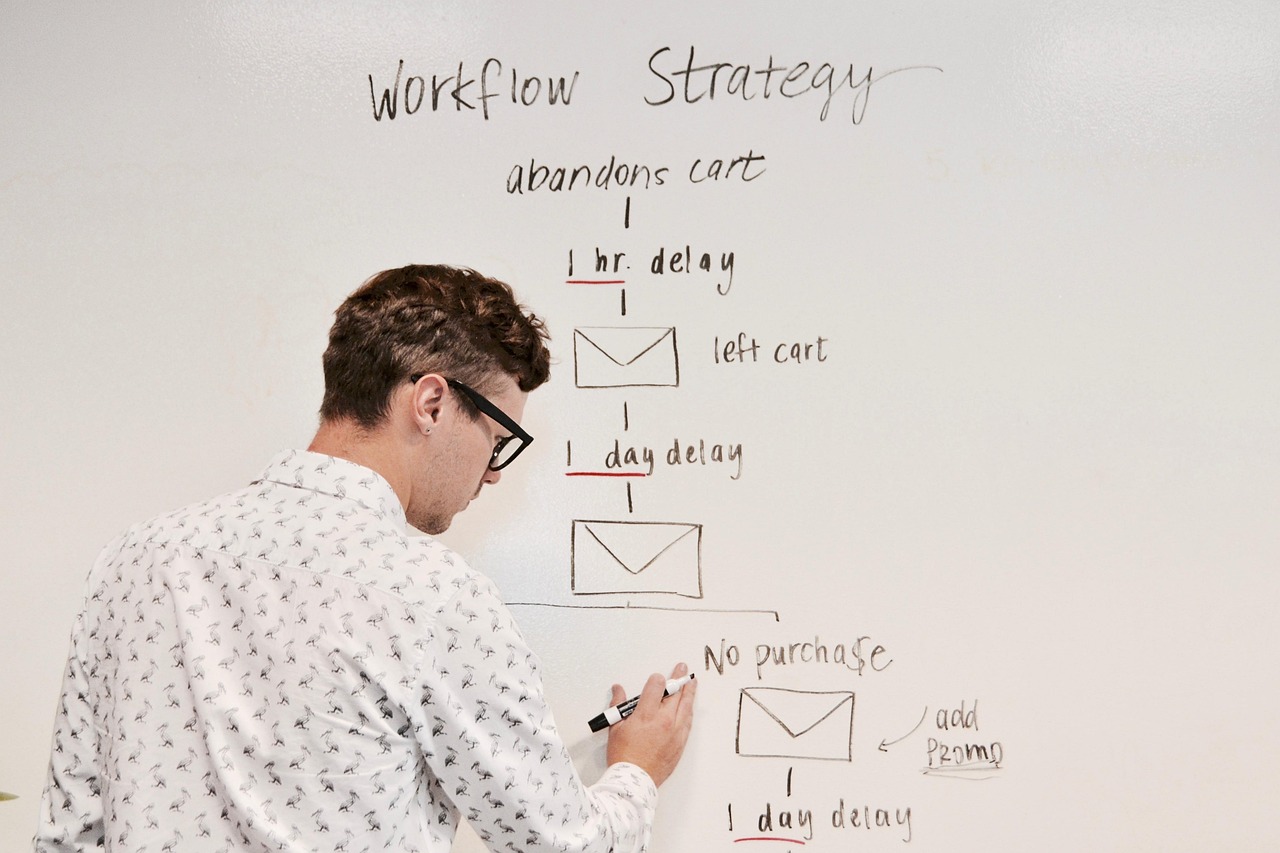
Another great area for streamlining ecommerce processes is marketing. Automated email campaigns, triggered by what customers do (like leaving items in their cart or after they’ve made a purchase), can keep leads warm and encourage them to buy again. Personalizing these messages at scale, using AI and automation, means you can send targeted campaigns that really speak to what each customer likes. Ultimately, the automation roi ecommerce comes down to saving money on operations, making more sales, and keeping customers around longer.
Maximizing Web Development Benefits for Online Stores
When it comes to online stores, the web development benefits ecommerce are really the bedrock of success. A great website isn’t just a place to show off your products; it’s a powerful tool for getting customers involved and making sales. Putting money into professional online store optimization means your site will be a breeze to use, which directly translates into more people actually buying and sticking around. This includes making navigation easy, ensuring pages load super fast, and making sure it looks good and works perfectly on phones – all essential for keeping visitors interested and encouraging them to click that buy button.

On top of that, solid web development is a huge part of seo for ecommerce websites. Search engine optimization helps your online store show up higher in search results, bringing in free traffic and reducing how much you need to spend on ads. Things like how your site is structured, clear meta descriptions, and quick page loading all really help search engines find you. A technically sound website is the perfect foundation for all your marketing efforts.
Making sure the user experience web development is top-notch is a non-negotiable. This means really understanding how customers shop, making the checkout process as simple as possible, and having clear calls to action. A great user experience doesn’t just lead to immediate sales; it also builds brand loyalty and gets people talking positively about your store. The overall ecommerce website roi is a direct reflection of how well your website does its job: attracting, engaging, and turning visitors into happy, repeat customers.
Choosing the Right AI Integration Strategy: OverStartup GmbH's Approach
Figuring out the best way to integrate ai integration strategy is absolutely key to unlocking the full power of artificial intelligence in ecommerce. Here at OverStartup GmbH, we get that there’s no one-size-fits-all solution. Our approach is all about diving deep into your specific business goals and your current tech setup to create a personalized overstartup gmbh ai plan. This way, the AI solutions we build tackle your exact challenges and deliver real, measurable results for your ecommerce ai solutions.

Our process kicks off with a thorough look at your existing systems and how data flows through them. Then, we identify the areas where AI can make the biggest impact – whether that’s making recommendations more personal, smoothing out your supply chain, or improving customer service. This kind of foresight is crucial for a successful strategic ai implementation, ensuring AI becomes a core part of how your business runs, not just an afterthought. We’re all about building AI solutions that are not only powerful but also easy to maintain and can grow with you.
If you’re looking for advanced AI capabilities, OverStartup GmbH is your go-to ai partnership ecommerce. We team up with clients, bringing our expertise in custom AI development, machine learning, and data science to create solutions that drive innovation and give you a real competitive edge. Our aim is to equip businesses with smart tools that spur growth and operational excellence, making sure you get a solid return on your AI investments.
Key Metrics for Measuring Software Development ROI in 2026
As we head into 2026, getting a handle on software development roi metrics is still super important for making smart decisions in the ecommerce world. Businesses need to look past just the shiny numbers and focus on things that actually impact profits and growth. Calculating ecommerce roi calculation 2026 means taking a broad view – not just looking at direct sales, but also cost savings, how much more efficient you are, and how happy and loyal your customers are. Understanding these metrics is key to justifying why you keep investing in technology.

Some of the essential metrics for measuring digital transformation roi include improvements in conversion rates, average order value (AOV), and how much customers spend over their lifetime (CLV). For software development specifically, it’s vital to track how much you’re saving on operational costs – like less time spent on manual tasks or fewer mistakes in processing orders. If you’re using AI, you’ll want to look at things like how much sales increase because of personalized suggestions or how much you cut down on customer service costs with AI chatbots. These key performance indicators ecommerce give you a really clear picture of what your software is actually doing.
What’s more, having an ai roi dashboard can pull all these different metrics together in one place, giving you a live view of how things are performing. This lets you quickly see what’s working, what needs tweaking, and where your future investments should go. By consistently tracking and analyzing these metrics, businesses can make sure their software development efforts are delivering the most value and setting them up for steady growth.

Sarah
AI Content Manager
Scale Your Content Marketing with AI
This article was expertly crafted by Sarah, one of our advanced AI content agents. Start generating smarter content today.
You Might Also Like
Discover more about these topics and stay updated with our latest releases.