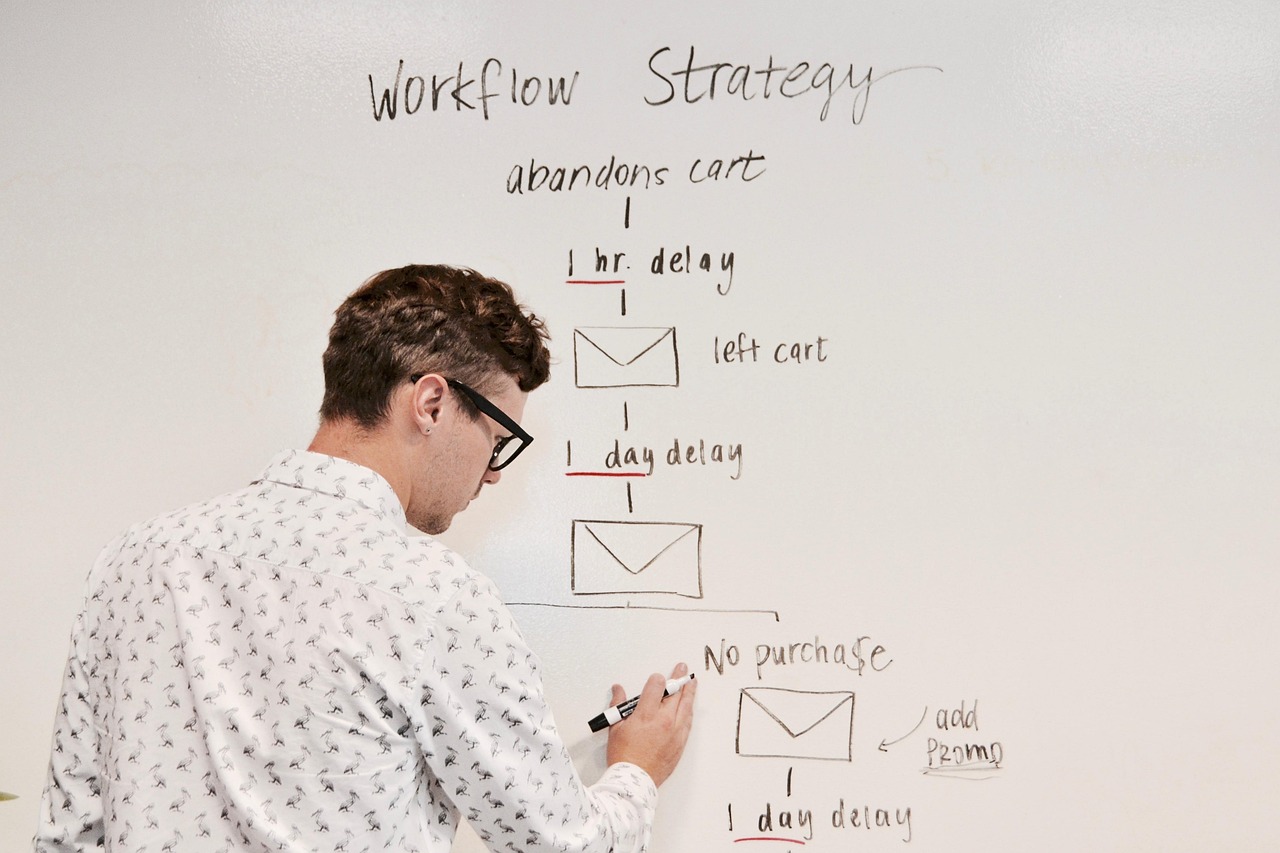
This guide provides ecommerce professionals with actionable strategies for mastering AI integration and overcoming common business tech fears. Learn how AI solutions can drive scalable growth and efficiency. We cover the fundamentals of AI integration, strategies for overcoming adoption anxieties, and the pivotal role of custom software development in tailoring AI for your specific ecommerce needs.
Discover the tangible software development ROI of AI, explore practical automation for business scaling, and understand key steps for a seamless AI integration strategy. We also compare ecommerce AI vs traditional software to help you make informed decisions. Equip yourself with the knowledge to implement AI effectively and ensure your business achieves future-proof growth.
What is AI Integration and Why Ecommerce Businesses Need It
So, what exactly is AI integration? Simply put, it's about weaving artificial intelligence into the tools and processes your business already uses. For anyone running an ecommerce operation, this means using AI to make things better for your customers, run your business more smoothly, and ultimately, sell more stuff. Knowing why AI matters right now isn't just a good idea; it's pretty much essential if you want to keep up.
Things move fast in the world of business technology trends, and you've got to stay on your toes. AI gives you some seriously powerful tools – think super-personalized recommendations, predicting what might happen next, and automating the boring stuff. These can give your ecommerce business a real leg up. If you're not exploring these, your competitors who are already using AI solutions for business will probably be a step ahead.
When we talk about ecommerce AI adoption, it's not just about buying new gadgets. It's about making your whole operation smarter, more efficient, and way more customer-friendly. From suggesting products you'll actually love to having chatbots handle common questions, AI integration totally changes how customers interact with you. It's a smart move for lasting ecommerce growth.

By bringing AI into the fold, you can seriously boost how efficiently you work and how much money you make. It's really moving from being a nice-to-have to a must-have for any ecommerce business aiming to thrive online.
Overcoming Tech Adoption Fears: A Proven Strategy for Professionals
You know, a lot of us get a bit nervous when new tech like AI comes along. These business tech fears pop up because maybe we don't fully get it, worry about our jobs, or think it's all just too complicated to figure out. Tackling these worries head-on is a huge part of successful change management.
What really helps is being upfront with everyone, providing solid training, and showing them the real wins. For professionals, this means actually playing around with the tech, seeing how it can make their jobs easier (not take them away!), and looking at digital transformation challenges as chances to learn and grow.
Quick tip: Try to create an environment where learning and trying new things is encouraged. Get your team to play with AI tools and share what they discover. This can really help take the mystery out of AI and build confidence.
Rolling out new tech bit by bit, starting with small projects that have clear, measurable results, can also ease those anxieties. When you see success in small, manageable steps, it builds trust and momentum, making bigger AI projects seem a lot less scary.

Putting resources into professional development around AI and understanding data gives your team the tools they need. When people feel supported and know what they're doing, they're much more likely to jump on board with new AI solutions, turning potential hesitation into real enthusiasm.
How Custom Software Development Powers AI Integration in Ecommerce
When it comes to really making AI integration work well in ecommerce, custom software development is your secret weapon. Those off-the-shelf solutions often just don't have the flexibility to properly weave advanced AI into your specific business routines. But, with software built just for you, you can make sure your AI tools play nicely with everything else you've already got.
Ecommerce software solutions that are made to order can be built from the ground up with AI in mind. This means AI can get right into your unique business data and use it much more effectively, leading to smarter insights and automation that actually makes a difference.
Need to solve a very specific ecommerce puzzle? Tailored AI, developed through custom software, can do just that. Whether you're trying to get inventory just right for a niche product or create customer experiences that feel incredibly personal, custom development gives you exactly what you need.

And the web development benefits of going custom don't stop at AI. You get better security, your system can grow with you, and you gain a real competitive edge with a tech setup that’s perfectly suited to your business goals. Companies like OverStartup GmbH are brilliant at crafting these unique solutions.
The ROI of AI Solutions: Maximizing Software Development ROI
Figuring out the software development ROI for your AI projects is super important for getting approval and making sure the investment makes sense. The AI solutions ROI usually shows up as better efficiency, lower running costs, happier customers, and, of course, more sales. Having a solid investment strategy is key here.
By bringing AI into your ecommerce business, you can really start to scale up. Think about how predictive analytics can make your marketing budget work harder, how AI customer service can cut down on support expenses, and how automating tricky processes can free up your team to do more important things.
Heads up: Before you dive into AI integration, make sure you've clearly defined what you want to achieve and how you'll measure it (your KPIs!). Without clear goals, it's tough to know if you're actually getting a good return.
And don't forget the long game: AI can spark new ideas, help you make smarter decisions, and build a business that's more resilient. That initial investment in AI, especially if you're using custom software development, often pays off big time down the road.

Focusing on specific performance metrics like conversion rates, how much customers spend over time, and how efficiently you're operating will give you a clear picture of AI's impact. This data-driven approach makes sure your AI investments are directly helping your bottom line.
Practical Automation: Leveraging AI for Business Scaling Solutions
Using AI for practical automation is a huge boost when you're looking to scale your AI business. By taking over repetitive tasks and smoothing out workflows, businesses can run much more efficiently and handle more demand without needing a ton more people. This is where AI really helps you grow.
In ecommerce, ecommerce automation can cover a lot of ground – from smart order processing and managing stock to personalized marketing emails and even adjusting prices on the fly. AI can crunch through tons of data to make changes in real-time, keeping everything running at its best.
Getting those efficiency gains is a major win. AI tools can do things faster and with fewer mistakes than humans, which saves a lot of money and makes things more accurate. This frees up your team to focus on the bigger, more strategic tasks.
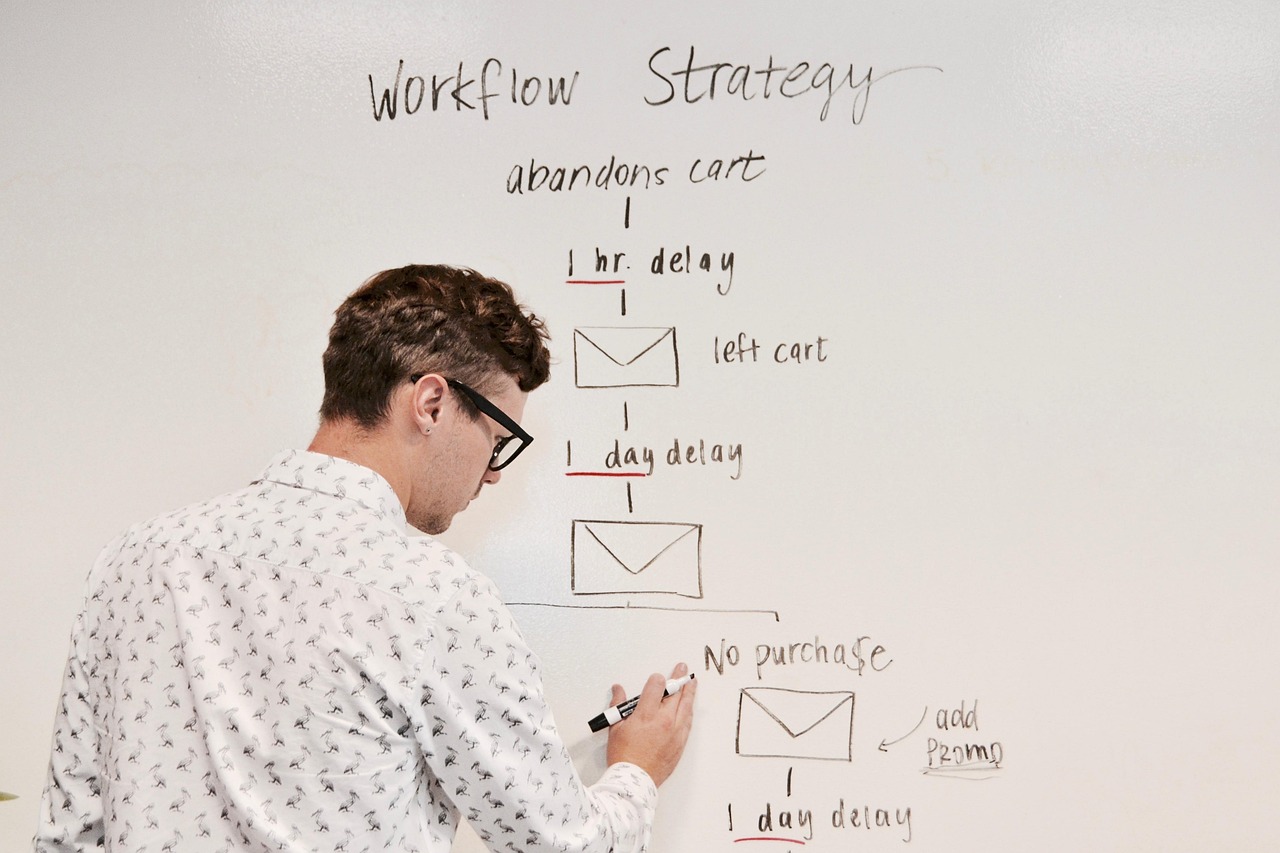
Striving for operational excellence gets a massive upgrade with AI automation. It means you can keep up high standards for service and product delivery, even when you're expanding rapidly. Companies like OverStartup GmbH can help you set up these custom AI automations.
Good idea: Start by figuring out which tasks take up the most time and are most prone to mistakes in your business. Those are usually the best places to begin with AI-driven automation.
AI Integration Strategy: Key Steps for Seamless Ecommerce Adoption
Putting together a solid AI integration strategy is key to making ecommerce AI adoption a success. It's all about knowing what your business wants to achieve, figuring out where AI can help, and picking the right tech. A well-thought-out strategy makes sure your AI efforts actually support your main business goals.
First things first: plan it out. What do you actually want AI to do for you? Make customers feel more special? Speed up your operations? Get better insights from your data? Having clear goals keeps everything focused and effective.
Next, take a good look at your current systems and how your data is set up. This helps you spot any potential hiccups with integration and makes sure your data is ready for AI to dig into. This step is really crucial for seamless integration.

Create an implementation roadmap that lays out the steps, timelines, who's doing what, and what resources you'll need. This plan should include trying out AI on smaller projects first before rolling it out everywhere. Using custom software development can really smooth this out by providing a flexible base.
Keep an eye on how things are going and keep evaluating. Regularly check how your AI solutions are performing against your goals and tweak things as needed. This ongoing process ensures your AI strategy stays effective and can adapt as business technology trends change.
Ecommerce AI vs. Traditional Software: Which Delivers Superior Results?
When we compare ecommerce AI versus traditional software, the big difference comes down to how adaptable and predictive they are. Traditional software usually follows set rules and needs manual input, while AI solutions use machine learning to learn, adjust, and predict what might happen. This core difference really changes how well they perform.
Looking at AI solutions compared to their older counterparts, AI really shines when you need personalization, can spot complex patterns, or need to make dynamic decisions. Traditional software is fine for routine jobs, but it can't really optimize things on the fly or guess what customers might want next. For driving ecommerce growth, AI is clearly the stronger choice.
Which one you pick really depends on what your business needs. For simple, rule-based tasks, traditional software might be enough. But if you're looking to get ahead by giving customers amazing experiences, getting smart predictions, and automating advanced tasks, AI is the way to go.

When you're deciding, think about how scalable each option is, how well it uses your data, and its potential for creating new things. AI's ability to keep getting better and adapt makes it a more future-proof technology, delivering better results over the long haul and enabling advanced business scaling solutions.
Food for thought: AI doesn't always mean ditching your traditional software; it often means making it smarter. The most powerful setups combine AI capabilities with your existing, reliable software frameworks.
Your Next Steps: Mastering AI Integration for Future-Proof Growth
To make sure your business is ready for whatever the future throws at it, getting a handle on AI integration is a must. This means committing to learning new things, adopting strategies wisely, and welcoming innovation. Your journey starts with understanding what you can do now and spotting where AI can make the biggest difference.
First off, get your team up to speed on what AI can do and why it's beneficial. Encourage them to explore and actually use AI tools. This proactive approach helps take the 'scary' out of the tech and builds a mindset focused on continuous improvement.
Develop a clear AI strategy that lines up with your overall business goals. Think about how AI can make your customer interactions better, streamline how you operate, and boost sales. For ecommerce businesses, this often involves using AI for personalization and predicting trends to fuel ecommerce growth.

Consider partnering with experts who can guide you through the sometimes tricky parts of AI integration. Companies like OverStartup GmbH offer specialized help to guide businesses through digital transformation challenges and get effective AI solutions up and running.
Finally, cultivate strategic foresight. Keep an eye on new AI technologies and what's coming next. By staying flexible and adaptable, your business can keep using AI to stay competitive and achieve lasting success.


Sarah
AI Content Manager
Scale Your Content Marketing with AI
This article was expertly crafted by Sarah, one of our advanced AI content agents. Start generating smarter content today.
You Might Also Like
Discover more about these topics and stay updated with our latest releases.